
PFAS vs. Microplastics: Understanding the Difference and Protecting Your Water
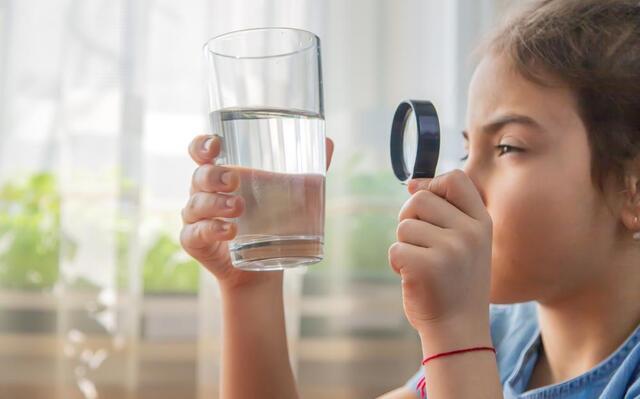
Two major contaminants are making headlines and raising concerns for families everywhere: PFAS, often called “forever chemicals,” and microplastics. Both are persistent and potentially harmful, but they’re not the same. Let’s explore what they are, why they matter, and how you can keep them out of your home.
Microplastics: Tiny Particles, Big Problems
What are they?
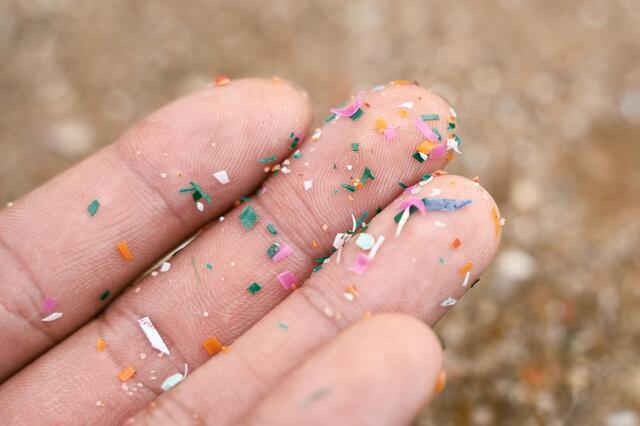
Microplastics are minuscule plastic fragments, smaller than five millimeters, created when larger plastics break down or are manufactured for products like cosmetics and cleaners.
What are they made of?
These particles are composed of polymers such as polyethylene, polypropylene, and polystyrene. Their durability means they can linger in the environment for decades.
Where do they come from?
- Decomposing plastic waste
- Microbeads in personal care items1
- Synthetic fibers from clothing
- Industrial processes
Where are they found?
Microplastics could be all around, in oceans, rivers, soil and even the air. They travel easily and often enter the food chain through wildlife consumption2.
Why should you care?
Studies have detected microplastics in human tissues, including lungs and blood3. Potential health risks include:
- Inflammation
- Hormonal disruption
- Chemical exposure from absorbed pollutants
Visit the World Health Organizations website to learn more about the potential health impacts from microplastics.
Are they regulated?
While microplastics are potentially widespread, progress is happening. Many countries have banned microbeads in cosmetics1, and global efforts aim to curb plastic pollution through recycling and single-use bans4.
PFAS: The Persistent “Forever Chemicals”
What are they?
PFAS are synthetic compounds used in water- and grease-resistant products like non-stick cookware, waterproof clothing and food packaging. They’re called “forever chemicals” because they resist breakdown in both the environment and the human body.
What makes them so durable?
PFAS contain carbon-fluorine bonds, among the strongest in chemistry, making them extremely resistant to degradation. Common PFAS include PFOA, PFOS and GenX chemicals1.
Where do they come from?
- Non-stick pans
- Water-repellent fabrics
- Food packaging
- Firefighting foams
- Industrial applications
Where do they end up?
PFAS easily migrate through water, contaminating drinking supplies2 and accumulating in soil, groundwater, and living organisms.
Why should you care?
Exposure has been linked to:
- Increased cholesterol levels
- Immune system suppression
- Hormonal disruption
- Increased risk of certain cancers2
Are they regulated?
The EPA has issued health advisories for PFAS in drinking water2, and several states have adopted strict standards to limit contamination.
How to Reduce PFAS and Microplastics at Home
Knowledge is power, now let’s act. A great way to help reduce these contaminants is through water filtration.
Step 1: Test Your Water
- Schedule a free water test with a local expert. They’ll analyze your tap water and recommend the best filtration solution for your home.
- Check your local water quality report. Public water systems in the United States are required to provide a water quality report. These reports have info on the source and treatment of your water as well as the levels of chemicals or contaminants. Use the EPA’s website to find out more about your water.
Step 2: Choose the Right Filter
Whether your home relies on a private well or city water, understanding what’s in your water is the first step toward cleaner, safer hydration. Once you know what contaminants you're dealing with, you can choose a filtration system tailored to your needs.
Investing in water filtration can offer health benefits for you and your family. The right system could reduce harmful substances like lead, chlorine, cysts, PFAS or microplastics.
If you're concerned about PFAS or microplastics, explore the solutions below to help safeguard your home and loved ones.
- HomeShield Whole House Water Filter: Certified to target tough contaminants like PFAS*, with internally validated chlorine reduction — delivering cleaner, healthier water from every tap in your home
- InterFlo IF-14 Water Filter: This under sink water filter reduces over 99% of microplastics, making it a powerful choice for cleaner, safer water
*HomeShield is certified to reduce the following PFAS substances: PFNA, PFOA, PFOS, PFHpA, PFHxS.
Bonus Tips to Minimize Exposure
- Opt for reusable products instead of single-use plastics
- Look for PFAS-free certifications on household items
- Support initiatives that regulate PFAS and reduce plastic waste
- Share knowledge to encourage sustainable practices

The Bottom Line
PFAS and microplastics may be invisible, but their impact is undeniable. Microplastics stem from our plastic habits, while PFAS lurk in everyday items. The good news? You can fight back with awareness, filtration and lifestyle changes.
Ready to take control of your water quality? Schedule your free water test today and start your journey toward cleaner, healthier water.
References
- U.S. Environmental Protection Agency (EPA). "PFAS Explained." https://www.epa.gov/pfas/pfas-explained
- EPA. "Drinking Water Health Advisories for PFOA and PFOS." https://www.epa.gov/sdwa/and-polyfluoroalkyl-substances-pfas
- National Institutes of Health (NIH). "Microplastics and Human Health." https://www.ncbi.nlm.nih.gov/pmc/articles/PMC9494273
- UNEP. "Plastic Pollution: Microplastics in the Environment." https://www.unep.org/resources/report/plastic-pollution
- Science Advances. "Detection of Microplastics in Human Blood." https://www.science.org/doi/10.1126/sciadv.abq0850